Owning
How to read a condominium reserve study before you offer
A thin reserve on a building with a fifteen-year-old roof is a special assessment that has not been scheduled yet.

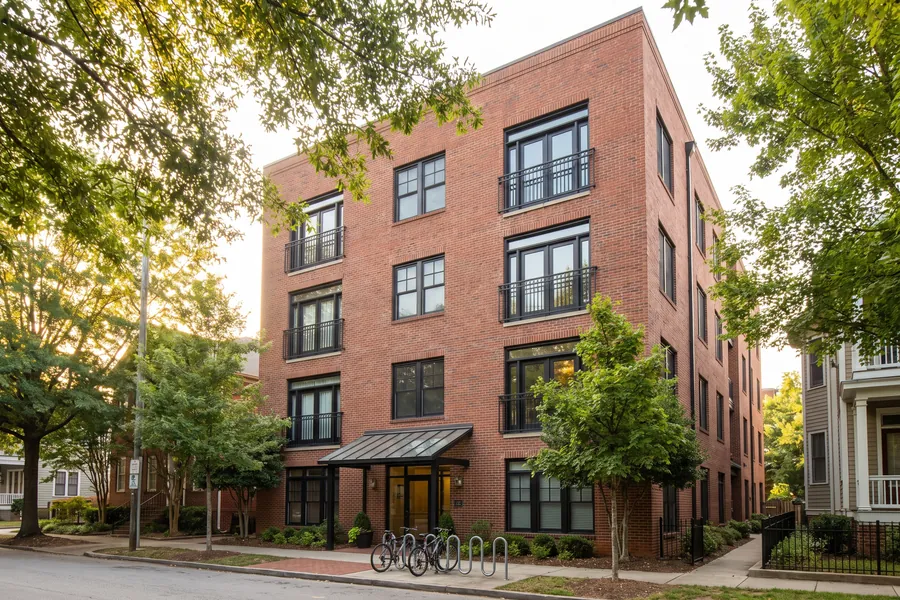
When you buy a condominium you are buying two things: a unit, and a fractional share of a building's future liabilities. The unit is the easy part. Everything that can go expensively wrong lives in the second half, and almost all of it is written down before you offer — in a document most buyers never ask for.
What a reserve study is
A reserve study is an engineering and financial report that lists every major shared component of the property, estimates how many years of useful life each has left, estimates what it will cost to replace, and then compares that schedule against how much money the association is actually setting aside.
The components typically include:
- Roof and roof drainage
- Elevators
- Parking deck or surface, and any structural podium
- Siding, brick repointing, balconies and railings
- Boilers, chillers, corridor HVAC
- Windows and exterior doors in common areas
- Painting, paving, fencing, pool equipment
The one number that matters most
Percent funded. It compares what the association has in reserve against what it ideally should have, given the age and remaining life of everything on that list.
- Above 70%: generally comfortable. A special assessment is unlikely to be a surprise.
- 30–70%: the common range. Fine on a young building; concerning on an older one with big items coming due.
- Below 30%: the association is relying on future assessments or a loan to do work it already knows is coming. Read on very carefully.
A thin reserve is not automatically a red flag. A thin reserve on a building with a fifteen-year roof and a twenty-five-year-old elevator is a special assessment that simply has not been scheduled yet.
Cross-check it against the minutes
This is the step people skip and it is the one that saves money. Ask for twelve months of board minutes — twenty-four if you can get them.
Assessments are discussed for a year before they are levied. You will see a bid mentioned, then a committee formed, then a proposal, then a vote. If the reserve study says the roof has three years left and the minutes show three roofing bids collected in March, you are not reading a hypothetical.
Minutes also reveal litigation, insurance claims, water intrusion history, and how well the board actually functions — which is not on any spreadsheet.
Then check whether you can finance it at all
Some loan types require the project to be approved, not just the borrower. An association can fail approval for reasons that have nothing to do with you: too high a proportion of investor-owned units, inadequate reserve contributions, pending litigation, insufficient master insurance, or too much of the floor area given over to commercial use.
This matters twice. Once when you buy, because it narrows which loans you can use. And again when you sell, because it narrows who can buy it from you — which is a resale risk that never shows up in a listing photograph.
The document list, in the order to ask for it
- Most recent reserve study, and the current reserve balance
- Twelve months of board minutes
- Current budget and the last two years of actuals
- Any assessment levied or discussed in the last three years
- Master insurance certificate, including the deductible
- Rules on leasing, pets and vehicles
- Owner-occupancy percentage
- Project approval status for the loan type you intend to use
Get these before you spend money on an inspection. It costs nothing to read them and it is the order that saves people wasted expense — an inspection tells you about your unit, and almost nothing about the liability you would be joining.
None of this means avoid condominiums
A well-run association with a healthy reserve is genuinely easier to own than a detached house. Somebody else replaces the roof, maintains the grounds, insures the structure and clears the car park at six in the morning. For a lot of people that trade is exactly right, and the fee that funds it is not an extra cost so much as a redistribution of one.
The point is that the fee is not the number to judge it by. The reserve study is.
Keep going
Other things worth knowing
 FinancingWhat “pre-approved” actually means, and what it does notThree documents get called the same thing and only one of them changes what a seller thinks of your offer.
 BuyingFive numbers on a listing that matter more than the priceDays on market, price per square foot, the HOA fee, the year built and the tax rate. Read in that order they tell you most of the story.
 Fair HousingWhy we will not tell you what a neighbourhood is “like”The most common question we are asked is one we are not permitted to answer, and the reason is more useful to you than an answer would be.